Table of Contents
Pain is a complicated procedure that differs from individual to individual. The five stages of pain rejection, temper, negotiating, anxiety, and approval are a valuable structure for assuming regarding sorrow, yet it doesn't suggest we'll experience every stage. We can experience these facets of grief at various times, and they don't happen in one specific order.

This website uses cookies to aid personalise content, customize your experience and to maintain you logged in if you register. By remaining to utilize this site, you are granting our use cookies.
This cyclical structure is meant to help you better understand your feelings and is not meant to suggest just how you ought to regret, what you ought to be sensation, or in which order. Each stage might come and go or overlap the others.
If you would love to discover more concerning your individual mourning procedure, it's a great concept to connect to a relied on mental wellness expert to recognize on your own much better and develop proper coping strategies. Discover much more concerning the 7 stages of sorrow. Despair can be a challenging and unpleasant process. When a loss occurs, among the initial points you may experience is shock.
Why Achievement Doesn't Heal Inner Pain
That's since no one can ever be absolutely planned for a loss so significant. When you are in shock after a loss, you might behave normally or as if absolutely nothing has happened. Most of the time, this is since your body has not processed the loss. You may feel like the situation hasn't "sunk in" simply.
These feelings and experiences are self-protective mechanisms that serve as a buffer to ensure that you are not overwhelmed at one time. Because the death of a loved one can have such a substantial impact on you, you may experience rejection. Throughout this stage of sorrow, it is simply as well hard for your brain to understand that your family participant, good friend, or other enjoyed one is gone.
As you slowly start to accept the loss and what it suggests for your life now, your denial will certainly start to diminish. You might have a broader variety of sensations and feelings when denial subsides. Till after that, you may have durations when you feel troubled, which can be activated by suggestions of your loved one.
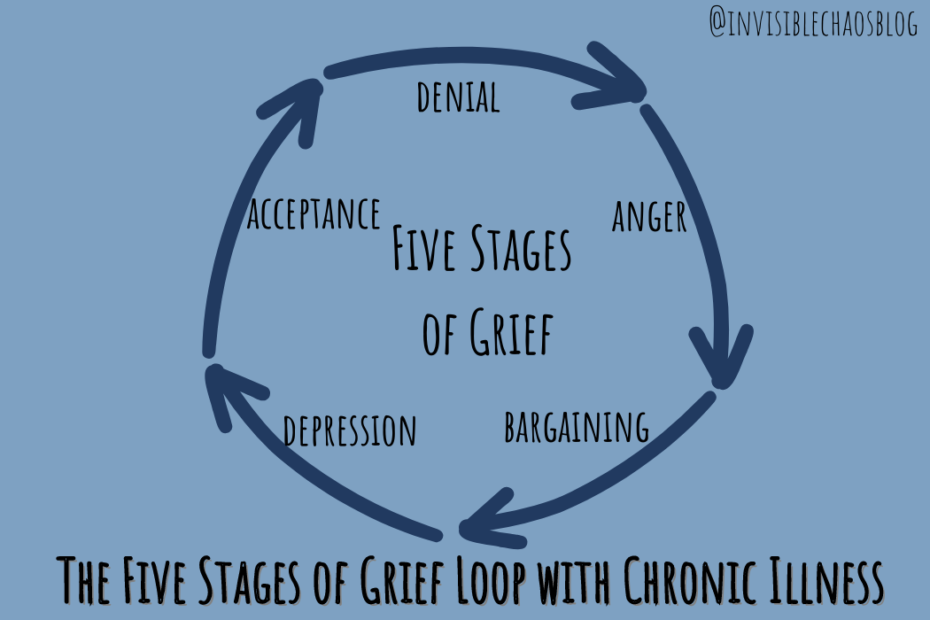
In some situations, it's a typical feeling to wish to stay clear of others to make sure that you do not need to recognize or discuss your loss. In some cases, you really feel forgetful, obtain conveniently sidetracked, or procrastinate throughout this stage of despair. You may additionally attempt to stay active constantly or shut down mentally.
Recovery: Achievement Post Trauma Therapy
In certain scenarios, you could likewise really feel mad with the health care carriers, your buddies, member of the family, God, or any type of various other soul(s) you count on. Under all that anger is your discomfort. While it may be unpleasant to take care of, it offers more structure to your grieving than staying numb.
Throughout this phase, individuals commonly feel powerless and helpless and ask themselves "suppose" concerns. You might feel guilty for refraining from doing even more to maintain the loss from occurring or for not investing even more time with the person you shed. Throughout the negotiating stage, it prevails to wonder or claim, "I should have done this ..." or "If I had actually only done that ..." While these sorts of uncertainties are typical, they are not where you desire your mind to remain.
Compassion Fatigue in Healthcare
It might additionally be helpful to do something certain, like create a letter to your enjoyed one or chat to them out loud. Once you come to terms with the fact of the loss, a much deeper degree of despair may start to slip in.
You can also check out for a listing of extra resources or call the number listed below to reach Drug abuse and Mental Health Providers Administration (SAMHSA) hotline. The screening phase of the mourning process usually entails trying out different things that aid you progress. In this stage, you are beginning to construct your brand-new typical in addition to refining your sensations and emotions developed by the loss.
Getting to the approval stage does not suggest you are okay with what happened. Rather, this part of the grieving process is much more concerning accepting what your life appears like currently. You will certainly still require to pay attention to your feelings and readjust, yet you will certainly start to feel even more wholeeven if it looks different than it did before.

Table of Contents
Latest Posts
Ego-State Therapy: Working with Inner Parts
Psychiatric Medication Combined With Cognitive Behavioral Therapy (CBT Optimized): Discovering Your Ideal Strategy for Severe Anxiety with Life Transitions Support
Evidence-Based Dynamic Psychotherapy for Modern Concerns
Navigation
Latest Posts
Ego-State Therapy: Working with Inner Parts
Evidence-Based Dynamic Psychotherapy for Modern Concerns